May 19, 2026
Understanding your property’s waste management system is essential for effective maintenance, cost control, and environmental responsibility. Whether your home relies on a municipal sewer line or a private septic system, knowing how it functions allows you to prevent problems, plan upgrades, and make informed decisions that protect your investment. It also helps you identify early warning signs that may require professional attention, including timely sewer line repairs when issues arise.
Understanding the Basics of Sewer Lines
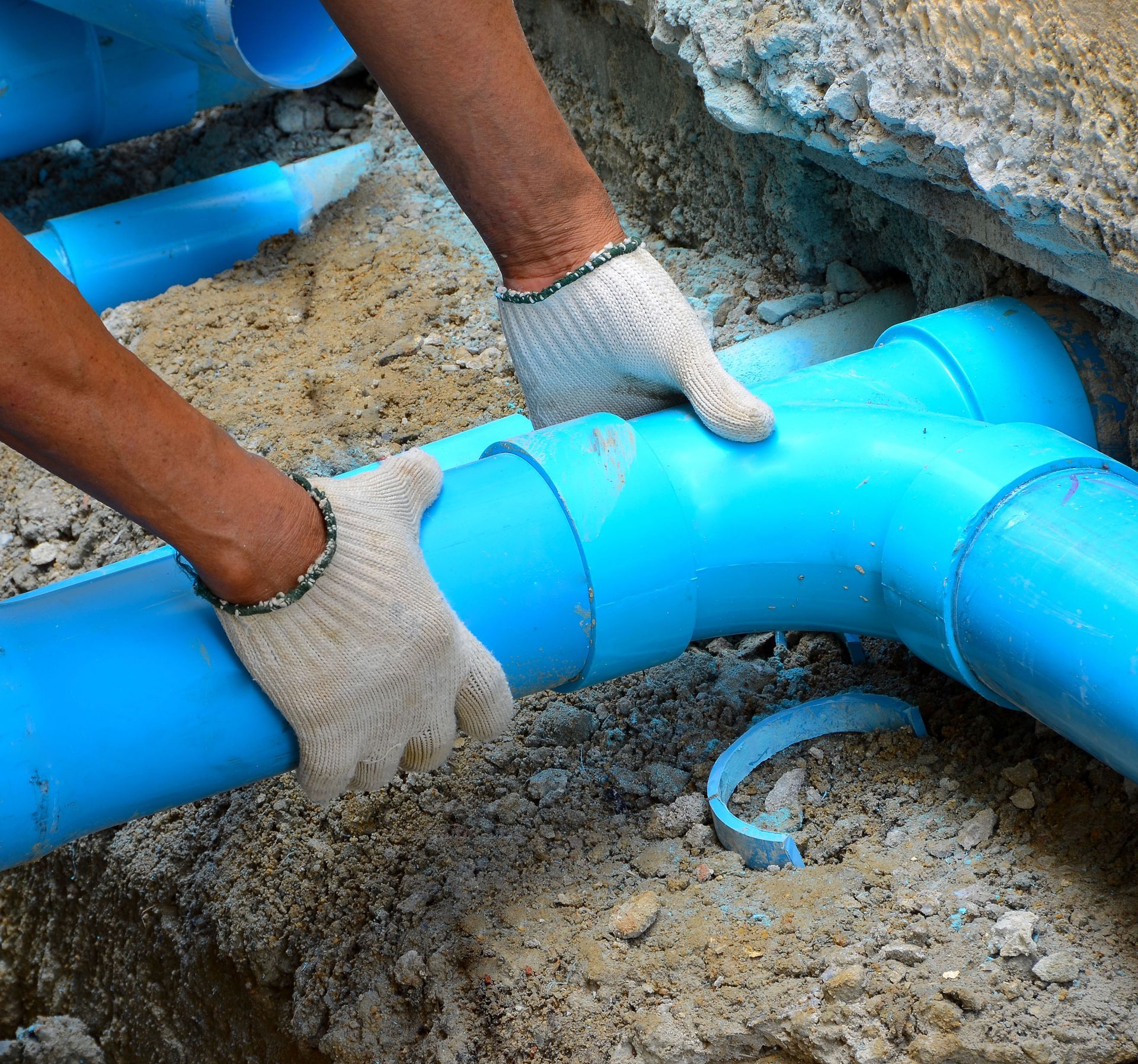
A sewer line is a network of underground pipes designed to transport wastewater from homes and businesses to municipal treatment facilities. This system is fundamental to modern sanitation, especially in densely populated areas where efficient waste removal is critical. Wastewater flows from individual properties through lateral connections into larger main lines, eventually reaching treatment plants where it is processed and safely released back into the environment.
These systems consist of multiple components, including lateral pipes, main lines, and interceptors. Pump and lift stations are often used to move wastewater across varying elevations, ensuring consistent flow regardless of terrain. Because this infrastructure operates continuously, routine inspections and repairs are necessary to maintain performance and prevent disruptions.
One of the biggest advantages of sewer systems is their convenience. Homeowners benefit from not having to manage waste treatment onsite, and municipalities handle large-scale processing. Sewer systems also support public health by minimizing exposure to contaminants. However, when problems occur, such as blockages or pipe damage, sewer line repairs can become urgent to prevent backups and property damage.
Identifying Sewer Line Connections
Determining whether your property is connected to a municipal sewer system is relatively straightforward. One of the most obvious indicators is the presence of manholes or sewer grates near your home. These access points suggest proximity to a public sewer network. Additionally, utility bills often include a sewer charge, confirming that your property is tied into the system.
You can also check for a sewer cleanout pipe, typically a capped vertical pipe located in your yard or near the foundation. This provides direct access to the line for maintenance and repairs. Reviewing property records or contacting your local municipality can offer definitive confirmation.
Understanding your connection is important because it dictates maintenance responsibilities. While cities manage the main lines, homeowners are usually responsible for the lateral line connecting their home to the public system. This means any damage, blockage, or deterioration in that section will require professional sewer line repairs at the homeowner’s expense.
Exploring Septic Tank Systems
In contrast to sewer lines, septic systems are self-contained waste management solutions typically used in rural or suburban areas without access to municipal infrastructure. A septic tank collects wastewater from the home, separating solids from liquids. Bacteria break down organic matter, while the remaining effluent flows into a drain field for further filtration through soil.
A typical septic system includes the tank, distribution pipes, and a leach field. Modern systems may also incorporate risers, alarms, and monitoring components to simplify maintenance. While septic systems offer independence and eliminate monthly utility fees, they require consistent upkeep, including regular pumping and inspections.
Septic systems can be environmentally friendly when properly maintained, as they rely on natural processes to treat wastewater. However, neglect can lead to serious issues such as overflow, groundwater contamination, and costly repairs. In some cases, homeowners facing repeated septic failures may consider transitioning to a municipal system, which can involve extensive excavation and sewer line repairs during installation.
Comparing Sewer Lines and Septic Systems
The primary difference between sewer lines and septic systems lies in where and how waste is treated. Sewer systems transport wastewater to centralized facilities, while septic systems handle treatment onsite. This distinction affects everything from maintenance responsibilities to long-term costs.
Sewer systems are generally more suitable for urban environments due to their ability to handle high volumes of waste. They offer reliability and reduced homeowner involvement but come with ongoing utility fees. Septic systems, on the other hand, provide autonomy and lower recurring costs but require hands-on maintenance and careful usage.
Cost considerations vary significantly. Installing a septic system can be expensive upfront, but ongoing expenses are typically limited to maintenance. Sewer connections may have lower initial costs but include monthly fees and potential expenses for repairs. Property value can also be influenced by the type of system, as some buyers prefer the convenience of municipal connections.
Environmental impact is another key factor. Sewer systems rely on energy-intensive treatment processes, while septic systems use natural filtration. However, poorly maintained septic systems can contaminate local water sources, while aging sewer infrastructure may require frequent sewer line repairs to prevent leaks and pollution.
Planning and Maintaining Your System
Regardless of the system in place, long-term planning is essential. Sewer lines can last decades, but their lifespan depends on materials, usage, and environmental conditions. Older pipes made of clay or cast iron are more prone to corrosion and root intrusion, increasing the likelihood of sewer line repairs over time.
Septic systems also require long-term consideration. According to Home Guide, sewer lines can last for 30 to 100 years with proper maintenance. Regular pumping, careful water usage, and avoiding harmful materials are critical to extending system life. Homeowners should schedule routine inspections to identify potential issues early and avoid costly failures.
For those considering property improvements or expansions, system capacity must be evaluated. Adding bathrooms or increasing water usage can strain both sewer and septic systems. In such cases, upgrades may be necessary to accommodate increased demand.
Transitioning Between Systems
In some situations, homeowners may need to transition from a septic system to a municipal sewer connection. This often occurs in growing communities where infrastructure is expanding. Environmental concerns, regulatory changes, and long-term cost considerations can also drive this decision.
The transition process involves several steps, including system evaluation, permitting, and construction. Professionals assess the existing setup and design a connection plan that integrates with the municipal network. Excavation, pipe installation, and system decommissioning are typically required, and sewer line repairs may be part of the process to ensure proper functionality.
Budgeting for a transition should account for all associated costs, including labor, materials, landscaping restoration, and potential disruptions. While the investment can be significant, it often increases property value and reduces long-term maintenance responsibilities.
Addressing Challenges With Practical Solutions
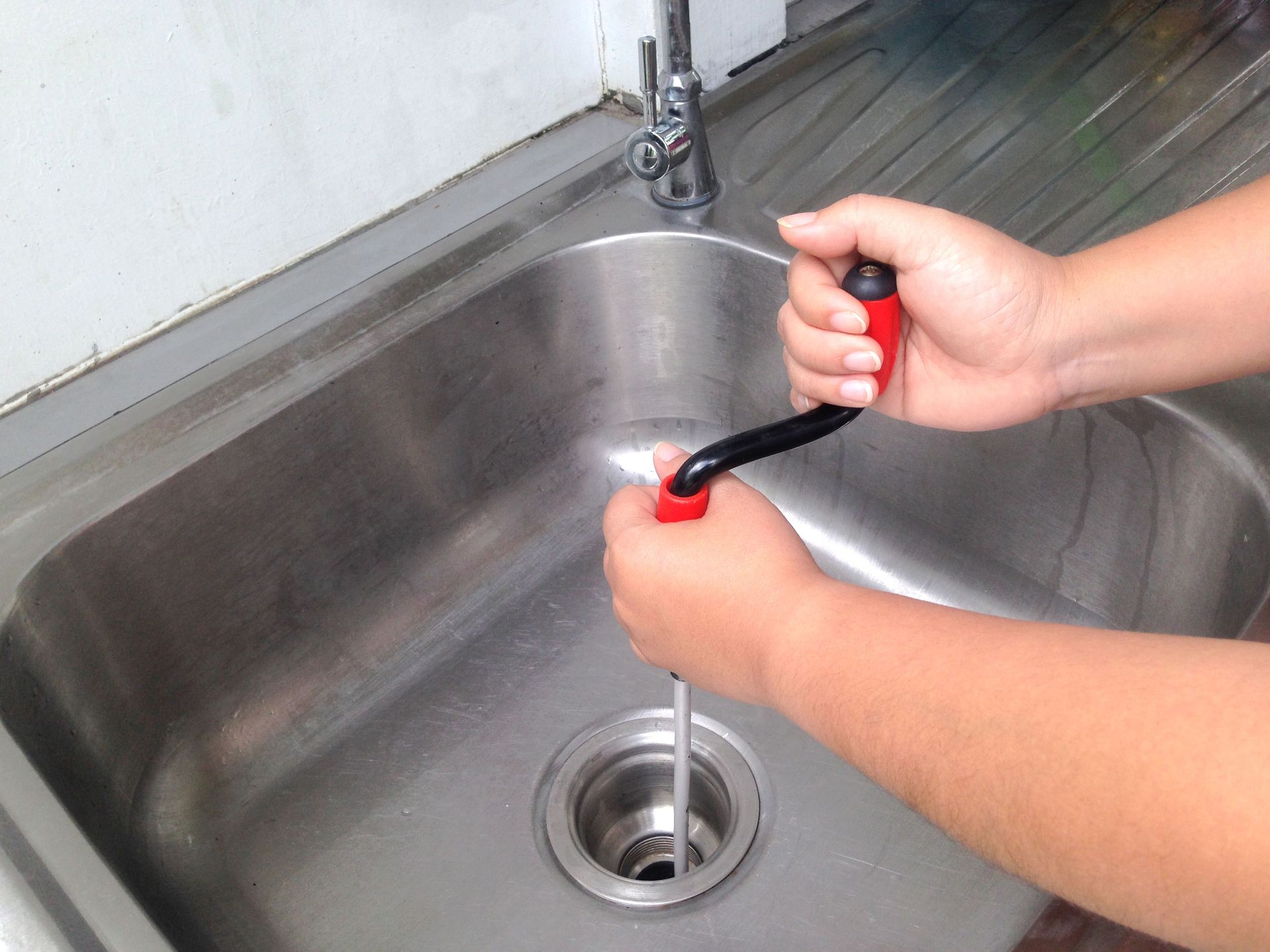
Both sewer and septic systems present unique challenges. Sewer lines can experience blockages from grease, debris, or invasive tree roots. These issues often require immediate
sewer line repairs to prevent backups and structural damage. Preventative measures, such as proper waste disposal and routine inspections, can significantly reduce risk.
Septic systems face challenges related to misuse and neglect. Overloading the system, flushing inappropriate materials, or skipping maintenance can lead to failure. Education and consistent care are the most effective ways to avoid costly repairs.
When problems arise, working with qualified professionals is critical. Advanced diagnostic tools, such as camera inspections, can pinpoint issues within sewer lines, allowing for targeted repairs without unnecessary excavation. Similarly, septic specialists can evaluate system performance and recommend corrective actions.
Understanding the differences between sewer lines and septic systems is essential for responsible property ownership. Each option has distinct advantages, limitations, and maintenance requirements that influence cost, convenience, and environmental impact. By recognizing how your system operates and staying proactive with upkeep, you can avoid major issues and extend its lifespan.
Whether you rely on a municipal connection or a private setup, informed decision-making is key. Routine inspections, preventative care, and timely repairs ensure your system continues to function efficiently. With the right approach, you can protect your property, manage costs, and maintain a safe, sustainable living environment. To schedule maintenance of your sewer line or septic system, get in touch with Kremer Plumbing Services.