December 16, 2025
Understanding how plumbing services influence home energy use is essential for homeowners committed to reducing consumption and supporting sustainability. While plumbing systems are often considered solely in terms of water delivery, they play a central role in determining how much energy is required for heating and distributing water throughout the home. Modern plumbing services, technologies, and maintenance strategies directly affect energy efficiency and utility costs.
With growing attention on carbon reduction and eco-friendly home improvements, the link between plumbing and energy management has become increasingly important. Optimizing systems through professional plumbing services offers meaningful opportunities to cut costs, reduce waste, and support long-term environmental goals. This article outlines the primary ways plumbing systems impact home energy use and how homeowners can leverage strategic improvements for better efficiency.
As technology advances, plumbing systems evolve into integral components of whole-home energy strategies. Innovations like low-flow fixtures, smart plumbing integrations, and advanced water heaters enable homeowners to control water use more precisely than ever before. When paired with routine plumbing services, these improvements form a powerful foundation for energy-efficient living.
1. Modern Plumbing Technologies That Improve Energy Efficiency
1.1 Low-Flow Fixtures
Low-flow fixtures—including faucets, showerheads, and toilets—are among the most accessible upgrades for improving both water conservation and energy efficiency. By reducing the flow rate without compromising performance, these fixtures lower the total amount of water that must be heated. According to This Old House, water heating accounts for 14% to 18% of a home's energy expenditure, making reductions in hot water demand an immediate path to energy savings through everyday plumbing services.
Modern low-flow technologies maintain pressure and comfort while reducing water use. Many homeowners adopt these fixtures because installation is simple, cost-effective, and often supported by local conservation incentives. These improvements demonstrate how efficient plumbing services can contribute to sustainability at both household and community levels.
1.2 Energy-Efficient Water Heaters
Energy-efficient water heaters significantly influence household energy consumption. Options such as tankless, heat pump, and solar water heaters reduce the energy required to supply hot water by eliminating wasteful standby heating. Upgrading with support from professional plumbing services ensures the proper selection and installation of these systems for maximum benefit.
These water heaters also feature smart technology, longer lifespans, and lower operating costs. When installed correctly through qualified plumbing services, they offer reliable performance, reduced carbon footprints, and long-term savings for homeowners.
1.3 Smart Plumbing Systems
Smart plumbing technologies bring automation and data-driven management to water use. Sensors, app-controlled systems, automated shut-off valves, and remote monitoring tools allow homeowners to track consumption and identify issues such as leaks before they escalate. When incorporated by expert plumbing services, these systems support energy-conscious living by minimizing unnecessary hot water usage.
As these technologies become more accessible, more homeowners are turning to smart upgrades through professional plumbing services to reduce waste, prevent damage, and improve energy performance across their homes.
1.4 Insulated Plumbing Lines
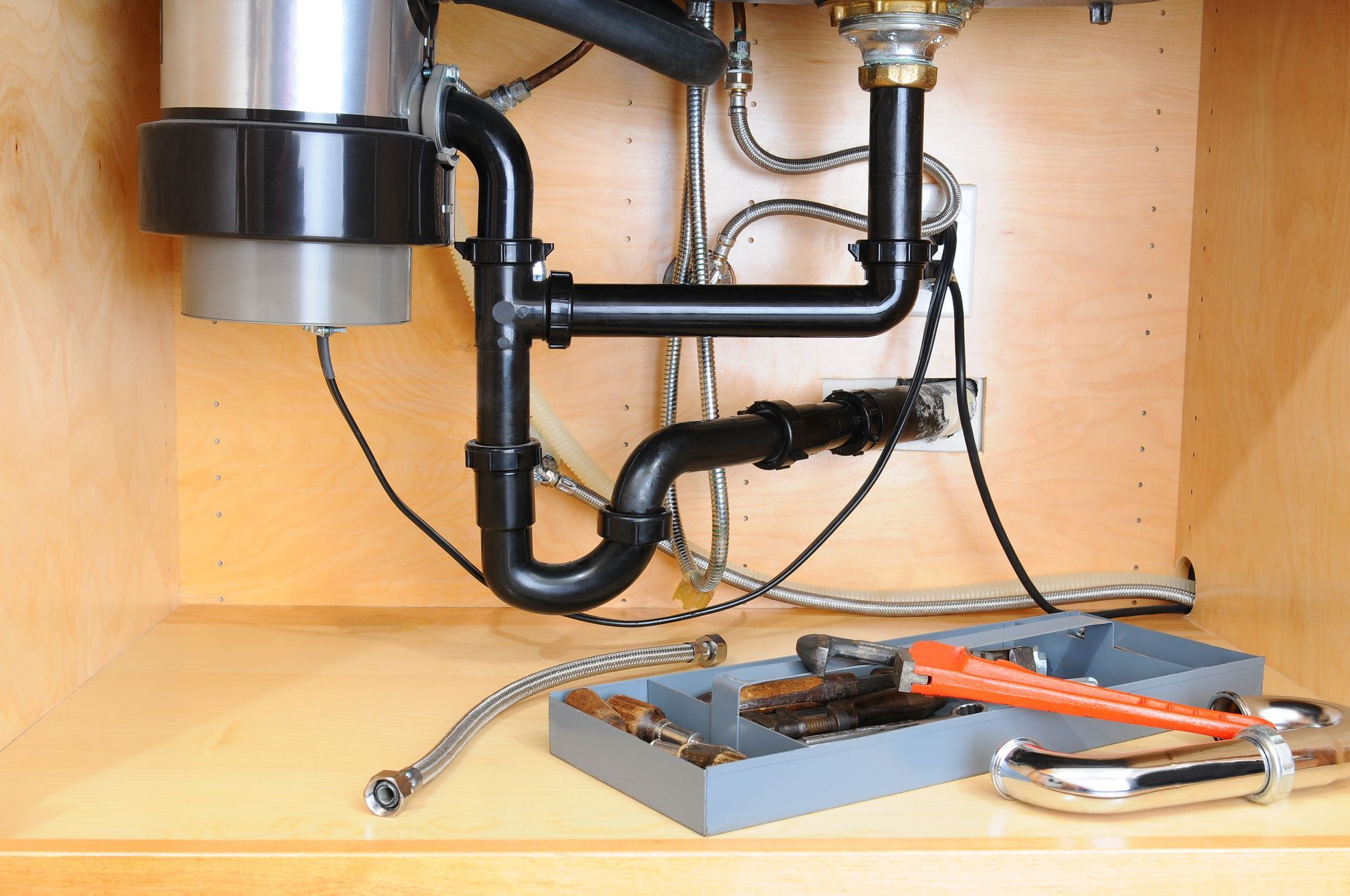
Insulating plumbing lines reduces heat loss and helps maintain water temperature as it moves through the system. By keeping hot water hotter for longer, insulation lowers the energy required to reheat water that cools in transit. This simple upgrade is often recommended during routine plumbing services because it offers immediate benefits and long-term savings.
Pipe insulation also prevents condensation, reduces the risk of burst pipes, and supports overall system efficiency. It remains one of the most cost-effective enhancements homeowners can include in their energy-saving plans.
1.5 Recirculating Pumps
Recirculating pumps ensure that hot water reaches fixtures quickly by circulating water through the plumbing system or activating circulation on demand. This reduces both water waste and energy usage. Installation is typically handled by experienced plumbing services, ensuring the pump is sized correctly and integrated safely.
Smart recirculating pumps equipped with sensors or timers push efficiency even further, making them a strong addition to modern, energy-focused plumbing services.
2. The Role of Professional Plumbing Services in Reducing Energy Costs
2.1 Regular Maintenance for Optimal Efficiency
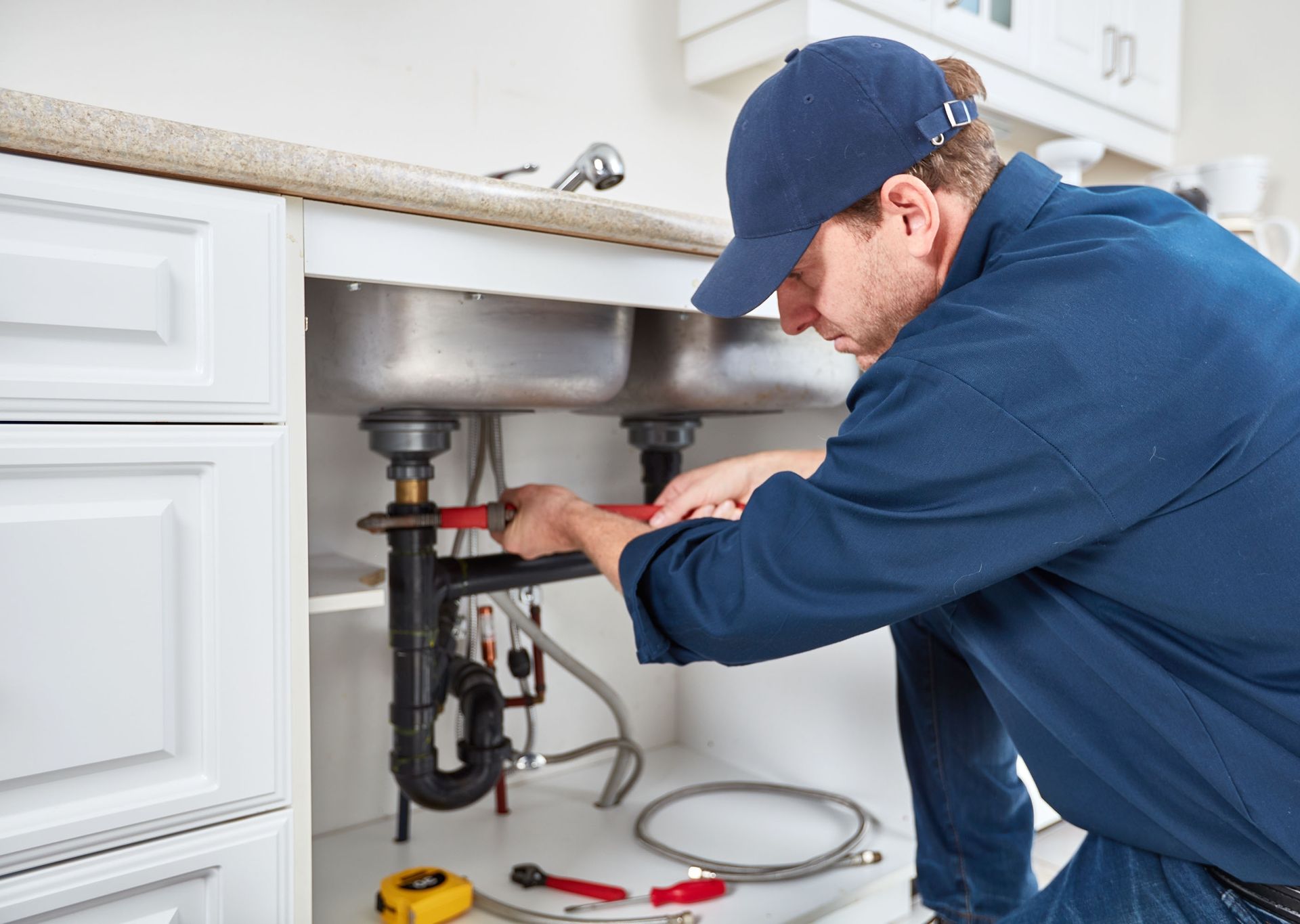
Routine plumbing services are essential for keeping systems energy-efficient. Regular inspections detect sediment buildup in water heaters, pressure inconsistencies, fixture deterioration, and hidden leaks—all of which increase energy consumption. Maintenance prevents these issues from escalating and ensures systems operate efficiently.
Professionals use advanced diagnostic tools to identify inefficiencies and recommend solutions, helping homeowners save money and extend the lifespan of their systems.
2.2 Leak Detection and Repair
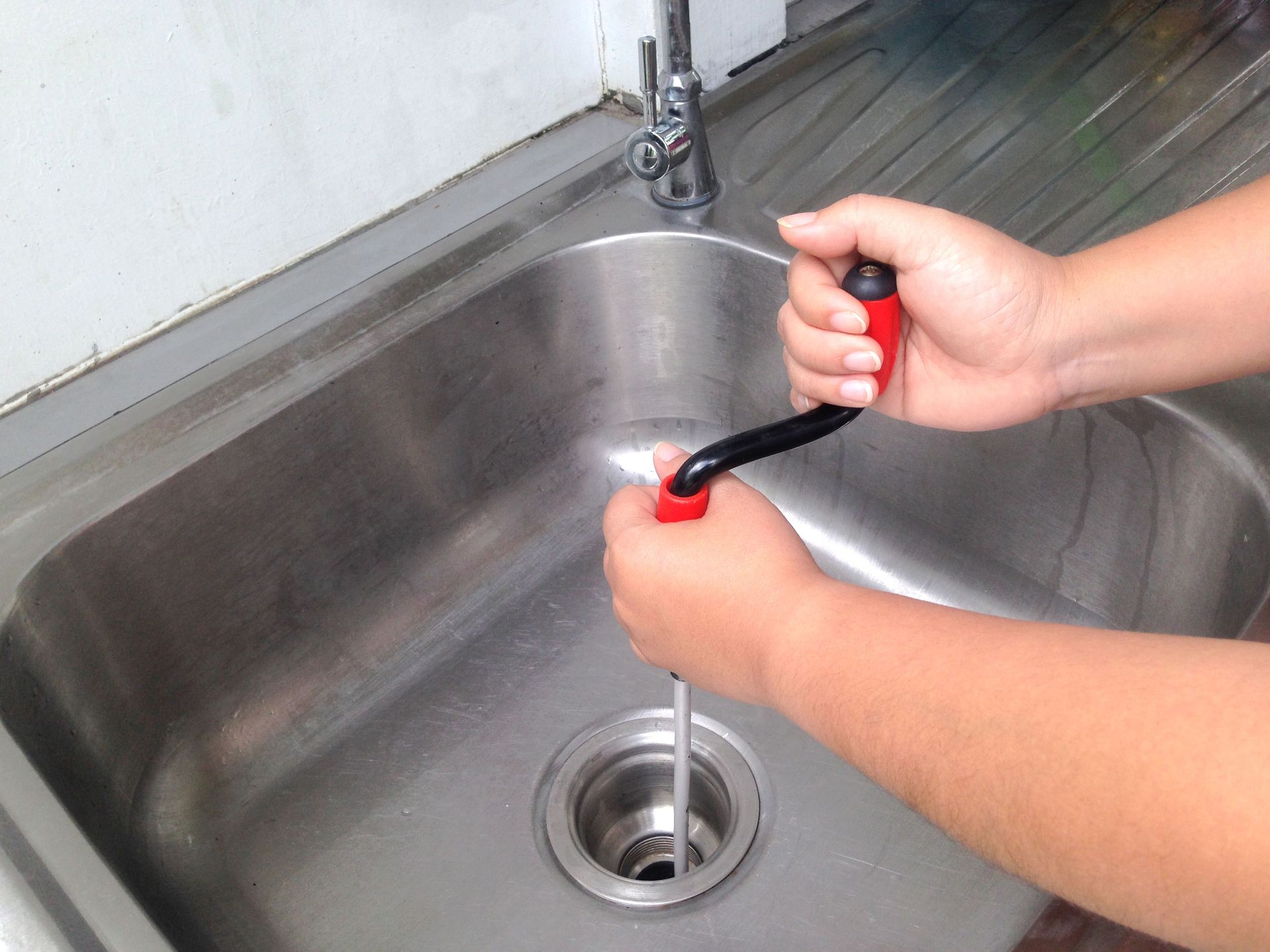
Leaks waste both water and energy, especially when heated water escapes through damaged pipes or fittings. Professional leak detection is one of the most valuable plumbing services because it prevents unnecessary waste and reduces strain on water heating systems. Modern equipment, including acoustic listening devices and infrared cameras, allows plumbers to detect leaks quickly—even those hidden behind walls or under flooring.
Timely repairs help homeowners avoid water damage, lower utility bills, and maintain system integrity.
2.3 System Inspections and Energy Evaluations
Energy evaluations performed by trained plumbers assess a home’s entire plumbing system to pinpoint inefficiencies and opportunities for improvement. These detailed inspections are among the most impactful plumbing services for households focused on reducing energy use. Evaluations analyze insulation, flow rates, fixtures, and water heating systems.
Homeowners gain actionable recommendations that often lead to immediate improvements and long-term performance gains.
2.4 Installation of Energy-Saving Appliances
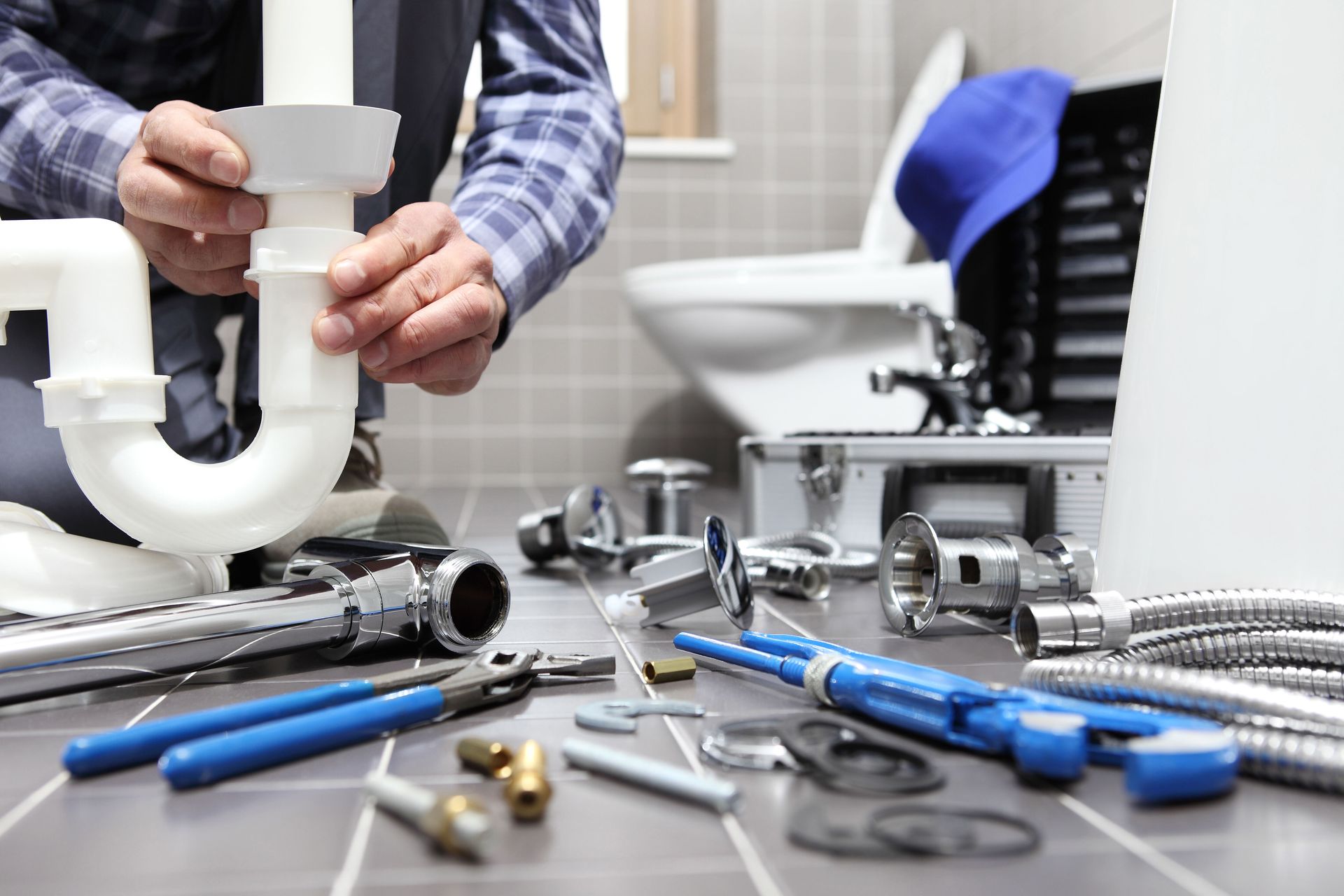
Upgrading to energy-efficient water heaters, smart fixtures, and low-flow appliances is most successful when installed by qualified plumbing services. Professional installation ensures safety, compliance with building codes, and proper calibration for peak performance.
These upgrades often increase property value and reduce utility costs, making professional assistance essential.
2.5 Consultation and Strategic Upgrades
Consultations help homeowners understand which improvements will yield the greatest benefits. During these plumbing services, experts recommend upgrades such as pipe insulation, fixture replacements, recirculating technology, or smart plumbing integrations. Their knowledge helps homeowners make informed decisions regarding efficiency and sustainability.
When paired with strategic upgrades, consultations support long-term reductions in energy waste and improve system reliability.
3. Case Studies: Real-World Energy Savings from Plumbing Improvements
3.1 Retrofitting Older Homes
Older homes often contain outdated plumbing systems that waste both water and energy. Through targeted plumbing services such as fixture replacements, leak repairs, and water heater upgrades, homeowners frequently see immediate reductions in energy consumption. Improvements such as insulated pipes and efficient water heaters enhance comfort and reliability while reducing monthly utility bills.
These real-world examples demonstrate how modernizing old plumbing systems helps homes meet today’s efficiency expectations.
3.2 Energy-Efficient New Construction
New homes built with efficiency in mind rely heavily on specialized plumbing services during the construction process. Builders incorporate insulated plumbing, smart fixtures, recirculating pumps, and efficient water heaters as part of a long-term sustainability plan. This cohesive system minimizes waste and lowers operating costs from the first day a homeowner moves in.
These examples show how thoughtful planning and professional plumbing services create modern, eco-friendly living environments.
Plumbing services have a profound impact on home energy use, influencing water heating, system efficiency, leak prevention, and long-term energy management. By adopting modern technologies, scheduling regular maintenance, and upgrading systems when necessary, homeowners can achieve substantial reductions in both energy consumption and utility costs.
From low-flow fixtures to smart systems and advanced water heaters, every improvement contributes to long-term sustainability. Professional plumbing services ensure these upgrades are installed and maintained correctly, providing homeowners with confidence and measurable energy savings. As environmental awareness continues to grow, plumbing improvements remain one of the most practical and effective ways to create a more efficient household. In need of plumbing services? Contact Kremer Plumbing Services today to get started.